For some, it’s freedom. For others, it’s fear. I’ve lived both sides, and what I’ve learned may just change the way you think about building wealth.
The Money Mindset I Inherited
I grew up believing that money was something you chased, something you held onto for dear life, because when it ran out, so did your options.
Did you catch that? When the money’s gone, so is your freedom.
When I was a kid, I worked whenever I could to keep money in my pockets, because it meant I could eat.
The Emotional Weight of Insecurity
Did you know that according to a survey by MarketWatch last year, almost 70% of us actually feel financially insecure?
That’s right, more than half of us are walking around feeling like we’re one bad month away from a financial crisis.
That’s not just about numbers; it’s about how money makes us feel.
From Survival to Strategy
I’ve been in banking for seven years now, and one of the hardest challenges I’ve encountered is getting traditionalists to think differently about how to help people who have historically struggled with money.
There’s a deep-rooted belief that some individuals are just “bad with money” when, in reality, their financial behaviors are shaped by generational experiences, cultural conditioning, and even biological impulses.
Why We Overspend, And Who Benefits
When I step back and think about our country’s financial mindset, I’m struck by a troubling reality: we have normalized the idea that spending beyond our means is acceptable.
Nationally, we carry enormous debt. And at an individual level, many of us have been conditioned to believe that the “gravy train” will never come to an end.
But that’s a fallacy. At some point, financial reality catches up to all of us.
The Power of Early Experiences
Now, think about that same principle in the context of our personal lives, how we manage money at home, how we teach our children about it, and how our earliest experiences shape our financial choices.
So much of how we engage with money is formed in childhood.
We learn financial habits from our parents, from what was said (or not said) about money, and from how money was handled in our households.
But as we grow older, new factors drive our financial decisions, including the emotional and even physiological responses we get from spending, saving, or taking financial risks.
The Science Behind Our Money Habits
Money isn’t just a numbers game, it’s a deeply emotional and psychological experience.
Early on, my financial decisions were shaped by survival:
That was it. The goal was survival.
But when I shifted to seeing money as a tool instead of a lifeline, everything changed over time.
Instead of just making money, I started learning how to preserve it, and over time, grow it.
Listen closely! Preserve. Then grow.
When Financial Thrills Become Regrets
I remember sitting in that conference room in Mexico, sipping watered-down coffee, nodding along as the salesperson painted a picture of “luxury, exclusivity, and the best decision of my life.”
My heartbeat raced, was this really a good idea?
The thrill of saying “yes” felt amazing in the moment. But the minute I got home and saw that first multiple thousand-dollar payment hit; my stomach dropped.
That ‘luxury’ turned into regret real quick.
Can you believe it? What felt like a reward was really a financial trap.
You ever made a financial decision that felt great in the moment but crushed you later?
Yeah, me too.
Scarcity Thinking and the Blueprint We Inherit
But the truth is, many of us aren’t just influenced by personal experiences, we are also shaped by the culture we were raised in.
I grew up poor, an orphan in the foster care system, where money was always tight. Just having enough to eat was a daily concern.
That kind of upbringing instills a scarcity mindset, where money feels like something to be hoarded and protected rather than a tool to be grown and utilized.
It wasn’t until I reached the end of college and the start of my career that I began to shift my perspective.
I stopped thinking of money as just a means to survive and started seeing it as something I could use to build, to grow, and to create opportunities.
The Three Ways to Build Wealth
We’re taught to work hard for money, but rarely taught how to make money work for us.
That’s where wealth-building truly starts.
Did you catch that? Not just making money, making it work for you.
For years, I thought making money was enough. I worked hard and made what I could, but I still felt financially insecure. Because making money alone isn’t enough if you’ve never been taught how to grow it.
Are you listening? I realized I had income, but no strategy. Not because I didn’t care, but because no one had ever shown me a different way.
And that’s when I stumbled into this truth:
There are only three ways to build wealth... and I was only doing one of them.
1. Earn it – Most of us will make our money through labor, by leveraging our skills, talents, and expertise.
2. Save it – Without disciplined saving, even a high income won’t create financial security.
3. Invest it – This is where the real shift happens. Money that isn’t put to work will never grow.
For most people, inheritance isn’t an option.
That means our ability to build wealth depends on how well we navigate these three strategies.
But investing, where we place our money, how we grow it, often comes down to what we know and what we’ve been exposed to.
If we were never taught about investing, if we never saw financial literacy modeled for us, it becomes much harder to make informed financial choices.
Rewriting the Financial Blueprint
As leaders, whether in business, banking, or community development, we have a responsibility to break the cycle.
We can’t assume that people will “figure it out” on their own when so many have been handed a flawed financial blueprint.
A blueprint that includes spending way more than we can afford to spend as a country and possibly mortgaging our kids’ futures…
A blueprint that says we are in a caste system designed to keep us tethered to whatever economic social group we were born into.
A blueprint that is a Jedi mind trick for those who may want to keep you confused to preserve their position.
We must be willing to challenge outdated narratives about money and equip people with the tools to build something better.
The shift from scarcity to abundance thinking doesn’t happen overnight.
It takes:
-
Education
-
Exposure
-
Encouragement
It takes creating systems that don’t just help people survive but empower them to thrive.
And it starts with a willingness to think differently about how we help people rewrite their financial stories.
Your Next Move
So, I’ll leave you with this, financial freedom isn’t a lucky break.
It’s a decision.
It’s unlearning what doesn’t serve you and choosing to build something better.
So what about you?
Are you going to keep running on the same financial treadmill, making just enough to stay afloat, but never breaking free?
Or will you take one intentional step toward learning, growing, and building real wealth, on your own terms?
The choice is yours.
What’s your next move?
#FinancialEmpowerment #WealthBuilding #MindsetShift #ScarcityToAbundance #PurposeDriven



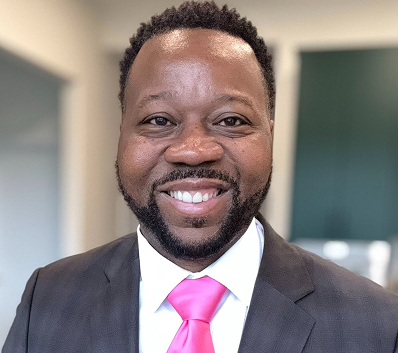

 Thought-provoking reflections and leadership perspectives