Reflection/Why I’m Grateful:
Yesterday, I had two very distinct conversations about the decisions and direction of our elected officials—one local, one national.
The first was with a businessman. We discussed recent federal actions and how some things may get more painful before they improve. That phrase—before they improve—reflects the shared hope and expectation of many Americans, no matter where they stand on the issues.
What we both acknowledged is how common it’s become for candidates to say one thing on the campaign trail, only to do something entirely different once elected.
I’ve wrestled with that reality for years. I remember when I was working in interfaith circles (I wrote about this long ago), a new Archbishop came to town—he’s now a Cardinal. He made some tough, controversial decisions, and people were split. I was interviewed about it as the head of an interfaith organization, and I said something that still rings true: He and I have had good conversations. I don’t always agree with him, but I never have to guess where he stands—and I respect that.
In the afternoon, I joined a planning session for an upcoming panel on ethical leadership. What stood out wasn’t just the content—it was the caution in the room. The sentiment was clear: “We want to address current events, but let’s not get political.”
That hesitation said a lot.
We’re in a time when many people shy away from having real conversations about leadership rooted in today’s headlines. It feels too raw. Too risky. Too exposed.
But for me, this isn’t about politics. It’s about integrity.
Did the leader say what they were going to do? And are they doing it? Whether I agree with the decision or not, I ask: Does it ladder up?
Here’s a truth I’ve come to accept:
Ethical leadership is not always black and white.
We want it to be—we crave clear lines and simple answers. But the reality is that leadership often lives in the gray.
I’ve told audiences before: Ethical leadership depends on your values—and how you interpret what those values call you to do.
That’s not a weakness. That’s the complexity of leading in a pluralistic world.
Sometimes we apply a basic test: “What would most reasonable people say about this decision?” But what if most reasonable people are split? That’s the point.
Some decisions are value calls. They may not align with my compass or yours—but that doesn’t necessarily make them unethical.
We need to be able to talk about those decisions. We need space to disagree—without instantly questioning each other’s integrity.
Part of the challenge in our country is that we haven’t listened to each other enough. I mean truly listened. Many of us don’t want to disrupt our mental comfort.
One question I ask myself constantly in leadership is this:
Am I willing to risk comfort to do what’s right?
Because the greatest ethical test isn’t knowing what’s right—it’s having the courage to act on it, even when the affirmation isn’t unanimous.


-3.jpg)
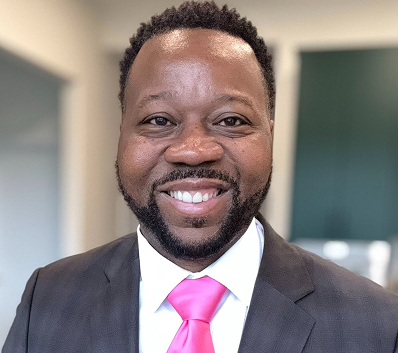

 Thought-provoking reflections and leadership perspectives