
.jpg)
I remember in 2018 when I began discussions with Jim Watson, then CEO of Midwest BankCentre, about an opportunity at the bank. It wasn’t something we had planned, in fact, at the time, I was also considering a move to a global charity for another once-in-a-lifetime opportunity. But when a serendipitous conversation happens, I’ve learned to lean in, you just never know. I’m grateful to Jim for his foresight and grateful that I was adaptable.
One of the key lessons I’ve learned through my 30 years of leadership is the importance of adaptability.
As a child, I had to adjust to my environment often. In the face of power, institutions, adults, who didn’t always have my best interests at heart, I learned to adapt, to fit the mold of those in power. But there’s a difference between being adaptable and being a chameleon. Experienced leaders recognize the difference; they can sense authenticity, or the lack of it.
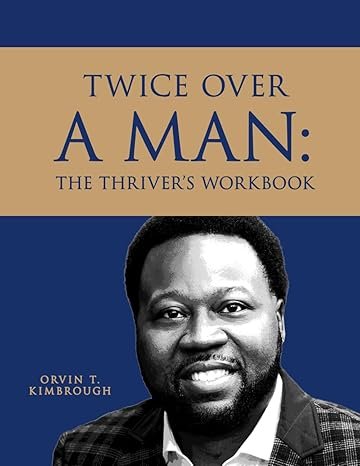
In my book, Twice Over A Man, a priest, in his endorsement, said that when he met me all those years ago, he thought two things: either I was full of, well, you know, or there was something much more there. You have to read the book to see what he concluded.
Being adaptable means adjusting to new conditions, environments, or challenges while maintaining your core identity, values, and purpose. A chameleon, on the other hand, changes their behavior, appearance, or even values to blend in, often at the cost of authenticity.
When I transitioned into banking, there were plenty of questions about how this aligned with my core values. After all, I’m a social worker. Wait, I’m also a theologian. No, actually, I’m a social worker who happens to have degrees in theology and business. These three fields speak volumes about the importance of broadening your worldview, no matter where you end up professionally. So, ask yourself: What are you doing to avoid getting trapped in the echo chamber of your industry, your neighborhood, or your company? What are you doing to acquire the skills to be truly adaptable?
Just as individuals must adapt, so too must regions. The regions that have thrived have done so by adapting, prioritizing the investments that matter not just for survival but for thriving across generations. While there will always be debate on what to invest in, there are basics about how our economy functions that remain clear. We need commerce. We need to attract and grow more businesses for our region to thrive. We need to populate not just South City and the suburbs but also North City and North County. We need to invest in local businesses by actually doing business with them.
One of the things I often hear is that local businesses don’t do business with other local businesses. This needs to change. We need to adapt. Imagine if we set a regional goal to grow or attract 10,000 more small businesses a year. Focus less on the number and more on the vision of creating a thriving local business ecosystem. What could that look like? Let me step off my soapbox.
When I moved into banking, a businessperson I respect told me, “You’re going to be bored out of your mind.” He actually used stronger words than that. But let’s look at what’s happened since 2019. First, a global pandemic. Have you seen what’s happened in banking? One day we were flush with deposits; the next, we weren’t. Have you followed what’s been going on with interest rates? I constantly remind our customers and the broader community that banks are small businesses too. Like any business, we value predictability, appreciate being paid on time, and expect people to honor their commitments.
So to my friend who said I would be bored, I say no, this hasn’t been the case. We’ve had to work hard to evolve and adapt to an ever-changing world. We’ve focused on what’s within our control, creating a business model that is less rigid, serving our legacy commercial clients, retail clients, and communities while extending deeper into economic development. Yes, there goes that word again, adaptable.
We’ve worked to challenge the notion that banking can’t be conscientious. If you’re not, you won’t have a sustainable business. Let’s revisit this in 10 years, I believe that all industries that want to endure, all companies, are trying to figure out how to, well, adapt.
So, what’s the truth I’ve come to understand? Adaptability is often learned in childhood, but it doesn’t require you to compromise who you are, what you believe, or what you stand for. I believe more of us need to fight for shared economic prosperity, this means rising above today’s culture and politics to prioritize tomorrow. The future of our region depends on adapting to a new reality that includes all of us, not just some of us. I believe this sincerely, and not like a chameleon.
Final Thought
Adaptability is not just a skill; it's a mindset. It means staying open, embracing change, and maintaining your integrity even when everything around you shifts. In leadership, in business, and in community building, the ability to adapt while staying true to who you are can make the difference between mere survival and lasting success. As we look toward the future, let’s commit to investing in growth that uplifts everyone—by being adaptable, authentic, and unafraid to step up and lead change.
True adaptability is about bending without breaking. True adaptability is not about blending in but about standing out for the right reasons. It’s about evolving without losing your essence, and it’s about forging a path that others can follow. As industries and communities face rapid change, the leaders who thrive will be those who adapt with courage, purpose, and authenticity.

And a BIG Thanks to those of you who have purchased the workbook
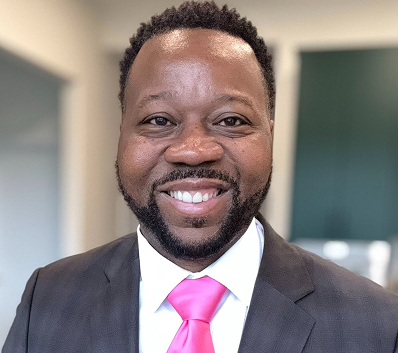
Hi, I’m Orvin Kimbrough, volunteer, board director, chairman, and CEO. I help professionals move from feeling stuck to being strengthened by reshaping how they think, lead, and live. My work focuses on confidence, leadership, and influence through mindset shifts, expanded networks, and bold, values-aligned action. My perspective is rooted in lived experience, from growing up in foster care to leading complex institutions as a CEO and shaped by faith, resilience, and a deep belief in human potential.
Enjoyed this post?
Stay connected and continue the journey with insights on leadership, growth, resilience, and intentional living delivered straight to your inbox.

Subscribe to the Leadership Insights Newsletter and receive:
-
 Thought-provoking reflections and leadership perspectives
 - Practical strategies for personal and professional growth
- Monthly insights and inspiration
- Early announcements and updates from The Thrivers Path™