


Nearly 12 million Americans take out payday loans each year, paying interest rates that can top 300%. I know what that feels like, because I lived it.
I grew up in poverty. I know what it feels like to wonder if the lights will stay on or if food will stretch until the end of the month. Later in life, I saw the payday loan cycle up close, how it traps people, how it tempts you with quick relief but leaves you bound to long-term pain.
I still remember standing in the car dealership, in what felt like a payday loan office, signing papers I knew would cost me significantly. I thought it was survival, but it was a trap.
Did you catch that? Money is never just about numbers. It’s about the story you believe, the habits you practice, and the company you keep.
That’s why I built the Triple R Method™ — Reframe, Reclaim, Rename. It’s not just about career growth. It also applies to how we approach money. Here’s how to break free from old money stories and step toward financial freedom.
1. Reframe Your Thinking
For years, I carried a hidden money story: “I’ll always struggle.” When you’ve lived with less, it’s easy to believe that lack is your destiny.
But here’s the truth, money doesn’t have to master you. You can learn to master it. Wealth isn’t built in one leap; it’s built step by step, decision by decision.
When I moved from poverty into professional life, I had to reframe my mindset. I wasn’t just surviving anymore; I was learning how to multiply. That shift allowed me to see money not as a chain but as a tool.
Your Move:
Write your money story. Is it scarcity-driven (“I’ll never get ahead”) or growth-driven (“I can build wealth over time”)? Then reframe it.
Scripture says:
“As a man thinketh in his heart, so is he.” (Proverbs 23:7).
2. Reclaim Your Personal Agency
Money management isn’t just about income; it’s about ownership. Too often, people wait for a raise, a windfall, or a lucky break. But freedom begins when you take control of what’s already in your hands.
When I stepped into banking, I didn’t have domain expertise. What I had was discipline. I wasn’t a lazy learner, I studied, asked, applied. The same principle applies to finances: you can’t be a lazy learner with money.
Your Move:
Build a budget. Start investing, even small amounts. Educate yourself on how money works. Take ownership instead of waiting for luck.
Scripture says:
“The plans of the diligent lead surely to abundance.” (Proverbs 21:5).
3. Rename Your Social Networks
Your financial habits are shaped by your circle. If everyone around you normalizes debt, overspending, and instant gratification, you’ll absorb those values.
I’ve had to make tough decisions about who I spend time with. Some friends weren’t aiming for growth, and if I kept walking with them, I would’ve stayed small. But when I started spending time with people who talked about ownership and building, wealth began to feel normal, not foreign.
Your Move:
Audit your money circle. Who talks about building, saving, and investing? Who talks only about spending? Choose to walk with mentors, peers, or communities that model financial wisdom.
Scripture says:
“Walk with the wise and become wise, for a companion of fools suffers harm.” (Proverbs 13:20).
The Bottom Line
Financial freedom isn’t just about dollars. It’s about your mindset, your habits, and your networks.
Reframe your thinking. Reclaim your agency. Rename your networks.
Do that, and money stops being your master. It becomes your servant, a tool for growth, generosity, and legacy.
Scripture says, “You cannot serve both God and money” (Matthew 6:24).
But when money serves you, it becomes fuel for freedom, impact, and generational change.
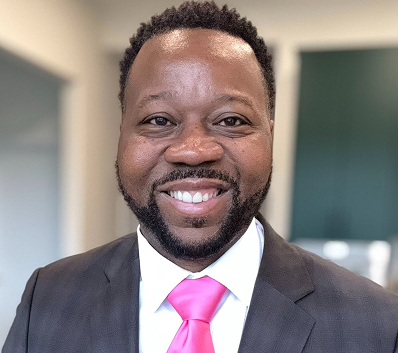
Hi, I’m Orvin Kimbrough, volunteer, board director, chairman, and CEO. I help professionals move from feeling stuck to being strengthened by reshaping how they think, lead, and live. My work focuses on confidence, leadership, and influence through mindset shifts, expanded networks, and bold, values-aligned action. My perspective is rooted in lived experience, from growing up in foster care to leading complex institutions as a CEO and shaped by faith, resilience, and a deep belief in human potential.
Enjoyed this post?
Stay connected and continue the journey with insights on leadership, growth, resilience, and intentional living delivered straight to your inbox.

Subscribe to the Leadership Insights Newsletter and receive:
-
 Thought-provoking reflections and leadership perspectives
 - Practical strategies for personal and professional growth
- Monthly insights and inspiration
- Early announcements and updates from The Thrivers Path™