

.jpg)
Have you ever wondered about the difference between confidence and cockiness, and why it matters in how we show up as leaders?
Lately, I’ve been reflecting on this question through the lens of scripture and my own experiences. Growing up, I didn’t always feel confident. The environments I was raised in didn’t cultivate a secure understanding of my strengths, and I became more familiar with my weaknesses. But as I grew older, I came to realize that true confidence doesn’t need to overpower others or seek recognition. It’s grounded in knowing our abilities and limitations, allowing us to lead with humility and purpose.
What I once interpreted as “timidness” eventually transformed into humility, and this shift taught me an important distinction: timidness comes from self-doubt, while humility is rooted in a quiet strength. Humility doesn’t seek praise or need to dominate. True confidence, unlike cockiness, doesn’t demand attention, it knows its own worth.
Scripture reminds us that humanity is to “have dominion” over creation:
“And let them have dominion over the fish of the sea and over the birds of the heavens and over the livestock and over all the earth and over every creeping thing that creeps on the earth” (Genesis 1:26).
As a young person, I thought “dominion” meant to dominate, as in that memorable line from the movie 300: “Give them nothing, but take from them everything.” But as I’ve grown, I’ve come to understand that “dominion” in this context implies stewardship, not harsh control.
The term dominion has its roots in the Latin dominium, meaning “ownership” or “property,” derived from dominus, meaning “lord” or “master.” This same root gives us words like dominate, domestic, and domain, all relating to authority or responsibility. But God isn’t calling us to dominate creation. This passage teaches us to guide, care for, and nurture what we’re entrusted with. Dominion here doesn’t mean ruling with a heavy hand but leading with a gentle, responsible touch.
So, what does this mean for our relationships? If God doesn’t command us to be harsh with the environment, why would we think He sanctions us to be harsh with each other, in the workplace, in our communities, or in our neighborhoods? Harshness often stems from insecurity, from an unstable foundation trying to mask self-doubt. Confident leaders don’t act this way.
Cockiness clings to credit, rarely shares it, and often exaggerates its abilities. Why? Because it’s insecure, feeling the need to dominate and resist acknowledging what it doesn’t know. True confidence, on the other hand, is secure enough to lead without needing to overshadow others. It’s rooted in humility and grounded in a sense of stewardship over what we’re entrusted with.
As a leader, especially in public-facing roles, this distinction has been essential for me. Confidence allows us to lead from a place of humility and secure authority, centered on stewardship, not domination. When we lead with confidence, we’re not just strong, we’re approachable, balanced, and truly effective in uplifting those around us.
This week, let’s aim to lead with humility, valuing stewardship over domination.
Let’s inspire, serve, and cultivate others from a place of quiet strength, asking ourselves:
- In what ways can I lead with humility rather than asserting dominance?
- How can I apply a stewardship mindset in my personal and professional relationships?
- What steps can I take to ensure my confidence remains grounded in humility and service?
May we embrace a spirit of confident stewardship, reflecting God’s heart in how we care for and uplift those around us.

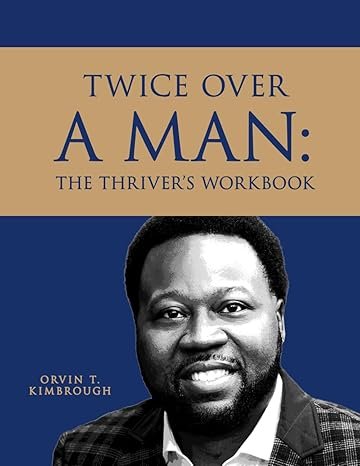
And a BIG Thanks to those of you who have purchased the workbook
Hi, I’m Orvin Kimbrough, volunteer, board director, chairman, and CEO. I help professionals move from feeling stuck to being strengthened by reshaping how they think, lead, and live. My work focuses on confidence, leadership, and influence through mindset shifts, expanded networks, and bold, values-aligned action. My perspective is rooted in lived experience, from growing up in foster care to leading complex institutions as a CEO and shaped by faith, resilience, and a deep belief in human potential.

Enjoyed this post?
Stay connected and continue the journey with insights on leadership, growth, resilience, and intentional living delivered straight to your inbox.

Subscribe to the Leadership Insights Newsletter and receive:
-
 Thought-provoking reflections and leadership perspectives
 - Practical strategies for personal and professional growth
- Monthly insights and inspiration
- Early announcements and updates from The Thrivers Path™