


When I meet with small groups or individuals, I often ask, “What do people say about me or my work in your social network?” Why? Because I’ve found that asking this question helps uncover profound insights, much like the question Jesus posed to His disciples in Matthew 16:15: “Who do you say I am?”
Jesus didn’t ask this casually, He was inviting those closest to Him to go beyond surface-level perceptions and truly understand who He was. In a similar way, when I ask this question, I often discover that the further people are from you, the more fragmented or misinformed their understanding of you is. People form opinions based on limited information, but when they truly get to know you, it often leads to the surprising realization: “You’re nothing like I expected.”
That’s exactly what I mean.
As a leader, I’ve made thousands of decisions throughout my career, decisions that haven’t always been popular. What about you? Have you ever made decisions that were right, but not popular? This is the essence of leadership. Many of us know that Jesus didn’t associate with the “in crowd.” He didn’t do what was expected of Him. He did what was necessary to show us a better way, to see all people, even those marginalized or deemed outcasts. This wasn’t popular. Don’t you think they talked about Him? It’s a form of control.
When you don’t walk the well-worn path, follow traditions, or speak the language that maintains the status quo, you become different. Who do they say I am? I imagine they thought, "You are different." Who do they say you are? You are differentiated. Did you catch that? You are set apart, offering unique qualities and value. The Bible says you are called, you are chosen. Keep being different and authentically you.
Jesus was most authentic and received the most criticism for associating with people society viewed as sinners, tax collectors, prostitutes, and those marginalized (Matthew 9:10-13, Luke 7:34). He demonstrated compassion and grace, but this outraged the religious leaders who upheld social divisions. Think about the world we live in today.
As leaders, we carry a unique burden. If you focus on what’s truly important, you might be called selfish. If you’re selective with your presence, you might be labeled disconnected. Recently, someone told me, “My network probably thinks you’re a ceremonial CEO.” That made me reflect on Jesus and how such perceptions are formed.
Naysayers viewed Jesus as a "ceremonial leader" or questioned His authority because they misunderstood His mission and leadership style. Many expected a political or military leader to liberate them from Roman oppression. Jesus didn’t fit their expectations, just as those called to higher leadership, like you, often don’t fit into conventional molds. I call myself an accidental banker, and maybe you’re an “accidental” something too. But being accidental doesn’t mean what people think. God didn’t accidentally make you, you were made on purpose for a purpose. When I say accidental, I mean unconventional. You didn’t plan it; it wasn’t traditional.
When you do something new, take an unconventional approach, or show up in places that aren’t used to seeing “people like you,” others may struggle with who you are, simply because they haven’t seen it before. Did you catch that? Jesus wasn’t traditional, He was unconventional, and people often misinterpreted His leadership. Yet, He remains the ultimate model of leadership.
When I ask what people in your network say about me, it’s a form of market research. It helps me understand where I need to invest more time. I focus my time where it will be fruitful, where people are thinking deeply about the world around them, rooted in faith that anchors them to purpose. I don’t focus my time in personality-driven environments. I’ve often told my leadership teams, "Obsess over projects and strategic missions, not personalities." Focus on substance, not style. Jesus focused on strategic missions.
Who do they say I am? What do the people in your network say about me? These questions are meant to inspire deep reflection and conversation. For me, I want people to think deeply about their purpose, leadership growth, and the pursuit of shared economic prosperity. These are things those wedded to the status quo don’t want for you or me. They don’t want us reflecting on our relationship to these things. Jesus asked this deeply personal question to encourage us to reflect on our relationship with Him and how we understand His role in our lives.
Final Thought
Jesus calls us to a life of abundance, rooted in His love, grace, and shared prosperity. When we truly know who He is, and more importantly, when we understand who we are in relation to Him, we can step into the fullness of life He offers. A life filled with peace, joy, purpose, and prosperity that transcends the world's expectations. As leaders, we must embrace our unique, God-given purpose and recognize that being different, being unconventional, is exactly what we are called to be. So, who do they say you are? More importantly, who does God say you are? You are called, you are chosen, and you are made for a purpose.
Questions to Reflect On
- What are the misconceptions people have about you, and how does it affect your leadership?
- How do you differentiate between staying true to your core values and adjusting to the expectations placed on you?
- Who do you say you are, and how does that align with your purpose as a leader?

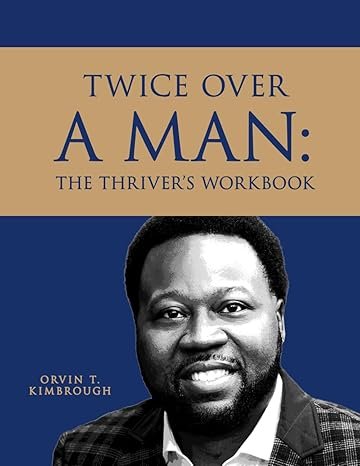
And a BIG Thanks to those of you who have purchased the workbook
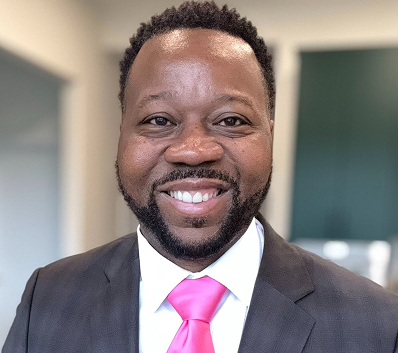
Hi, I’m Orvin Kimbrough, volunteer, board director, chairman, and CEO. I help professionals move from feeling stuck to being strengthened by reshaping how they think, lead, and live. My work focuses on confidence, leadership, and influence through mindset shifts, expanded networks, and bold, values-aligned action. My perspective is rooted in lived experience, from growing up in foster care to leading complex institutions as a CEO and shaped by faith, resilience, and a deep belief in human potential.
Enjoyed this post?
Stay connected and continue the journey with insights on leadership, growth, resilience, and intentional living delivered straight to your inbox.

Subscribe to the Leadership Insights Newsletter and receive:
-
 Thought-provoking reflections and leadership perspectives
 - Practical strategies for personal and professional growth
- Monthly insights and inspiration
- Early announcements and updates from The Thrivers Path™