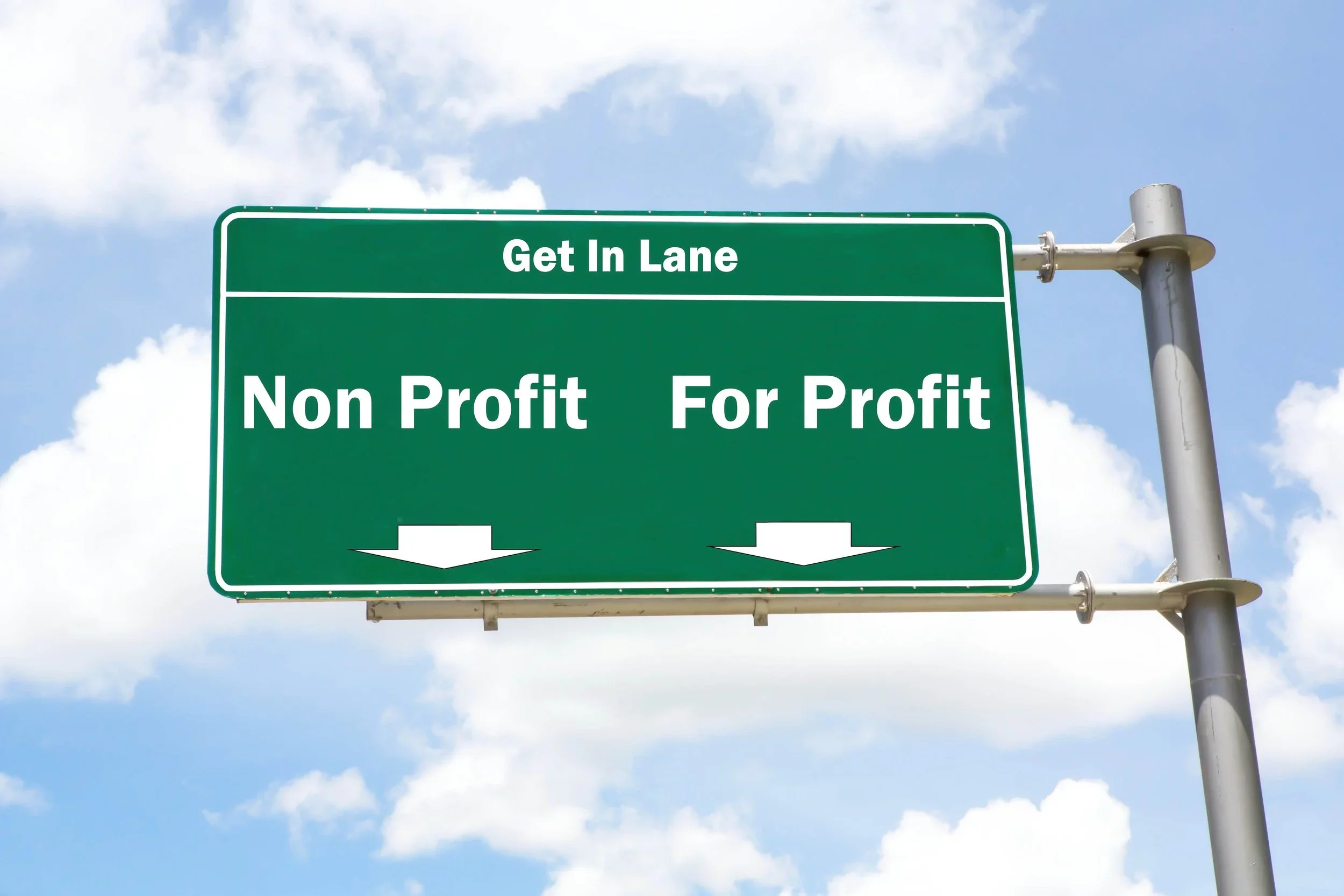
What’s the difference between leading in the nonprofit sector versus the for-profit sector?
It’s a question I’ve heard countless times. Having led in both worlds, I can confidently say, leadership is leadership. The fundamentals don’t shift just because the metrics do.
But here’s the thing: the priorities, pressures, and perceptions in each sector couldn’t be more different.
Metrics: Quantitative vs. Qualitative
In for-profits, numbers are king. Revenue, margins, and market share drive decisions and define success.
In nonprofits, numbers matter too, but they share the stage with outcomes like impact, community engagement, and staff well-being. Success is measured not just by what’s earned, but by what’s accomplished in the lives of people.
It’s fascinating to see CEOs and senior executives, who in their corporate roles wouldn’t tolerate slipping numbers, advocate in nonprofit boardrooms for rewarding staff simply for trying. This reveals how deeply mission and context influence decision-making.
Here’s an example:
-
In nonprofits, losing money temporarily can be acceptable if it advances the mission. Over time, though, nonprofits must return to “profitability.”
-
In for-profits, losing money might be tolerated for a quarter or two if you're private, but only if it leads to future growth. In the public world, this can be the first long kiss of death. Profit remains paramount, it’s the holy grail.
Respect for Nonprofit Leaders
Nonprofits and for-profits occupy different places on the “food chain.”
-
For-profits sell a product or service directly to the market. Success or failure hinges on the market’s reception.
-
Most nonprofits rely heavily on charitable giving and external support, making them one degree removed from direct revenue generation.
This distinction creates a different kind of leadership pressure and, unfortunately, sometimes leads to less respect for nonprofit leaders.
When I transitioned to the bank, one of the constant refrains I heard was, “That guy is going to make this a nonprofit bank” And what they meant was I was going to make the bank unprofitable.
I’d be lying if I said it didn’t sting. But those comments came from people who didn’t understand nonprofit leadership. In reality, high-performing nonprofit leaders juggle challenges that rival, and often surpass, those in the corporate world.
Let me be clearer, nonprofit leaders face some of the most complex challenges in decision-making.
They juggle:
It requires extraordinary integrity and skill. If you can lead at a high level within a high-performing nonprofit (and let’s be clear, there are levels to the game), you can likely lead anywhere, once you learn the context.
Mission as a Driver
Here’s the truth: organizations thrive when they have a clear sense of purpose. For-profits that focus solely on profitability risk losing their edge. Mission-driven leadership fosters:
As I often say, if you don’t have money, you don’t have a mission. But the inverse is also true: if you lose sight of the mission, you lose the meaning, and value, behind the money.
Final Thoughts
Whether you’re leading a nonprofit or a for-profit, the fundamentals of leadership remain the same. The real challenge is balancing both revenue and impact without losing sight of either.
So I’ll leave you with this:
Are you driving profit, purpose, or both?




 Thought-provoking reflections and leadership perspectives