

I’ve been reflecting on the challenges that emerge when leaders operate from insecurity, when the performance of confidence replaces the practice of humility, and when politics eclipse purpose.
There’s one leadership pattern I’ve observed again and again, not to call out, but to call attention to what often goes unspoken in leadership cultures. It’s the trait of speaking authoritatively about things one doesn’t fully understand. Not curious exploration. Not open dialogue. But declarations dressed as expertise.
Why does this matter?
Because when we pretend to be more fluent than we are, when we posture as authorities on topics we haven’t yet mastered, it reveals fragility, not strength. It reveals a discomfort with simply saying, I don’t know, but I’m willing to learn.
True leadership begins there, in the courage to be curious, to be open, and to grow publicly.
“Let the wise listen and add to their learning, and let the discerning get guidance.” — Proverbs 1:5 (NIV)
This verse reminds us that wisdom doesn’t demand immediate authority, it seeks understanding. It listens. It learns. The wisest leaders are often the most humble students.
The Quiet Cost of Exclusion
Another leadership tendency I’ve seen over the years is the pattern of pouring into people who share a similar background or professional path—while unintentionally sidelining others who don’t.
This creates a culture of insiders and outsiders. A belief that some teams are the “real deal,” while others are second-tier. But leadership isn’t about exclusivity. It’s about elevation.
Yes, some roles may be differentiated. But difference doesn’t justify devaluation. When we lead, our job isn’t to be the star; it’s to make stars of others. To be the coach, not the only scorer.
The greatest leaders unify. They help everyone understand their value, their role, and how the puzzle pieces fit together. Because none of us succeeds alone—we rise with a supporting cast.

The Trouble with Control Disguised as Planning
Another trait I’ve seen in multiple settings is discomfort with ambiguity. Some leaders seek immediate clarity and control the moment an idea enters their domain, even if the conversation is in its earliest, most exploratory stage.
In one past brainstorming session, I recall watching a common pattern unfold: early ideas were interpreted as threats to authority rather than invitations to collaborate. What began as creative dialogue quickly became a silent power grab.
This kind of leadership isn’t about contributing to ideation, it’s about auditioning for influence. And when the final direction doesn’t reflect that aspiration, the emotional response can be disproportionate.
But real leadership doesn’t require being at the center of every decision. It requires building trust, welcoming possibility, and holding outcomes with open hands, not closed fists.
You Don’t Have to Tear Others Down to Rise
Every organization goes through realignment. It’s natural. But I’ve also seen leaders use those moments not to collaborate, but to compete.
It often sounds like this: “Give me more responsibility, I’ll do better than they will.” The intent is framed as ambition, but the strategy is often subtraction, trying to shrink others to make room for self.
Here’s what I’ve learned: leadership is about value creation, not value competition. If you want to grow your influence, do it by lifting others. Be a mentor. Show vision. Build a bench.
Because tearing others down to rise isn’t strategy, it’s survivalism dressed in ambition.
When Influence Becomes Manipulation
Then there’s the trait of politicking, the quiet campaigning behind closed doors that aims to steer outcomes in one’s favor. Not in service of shared vision, but in pursuit of personal positioning.
This doesn’t look like collaboration, it looks like consensus-manufacturing. And it’s usually obvious.
These efforts aren’t about aligning people around the mission. They’re about aligning people around a personality. And while it may be called “strategic,” it often feels like maneuvering.
The danger? It erodes trust. Even good ideas lose credibility when their motives are murky. In environments like that, people start asking: Is this really about the business? Or about someone’s platform?
What’s Missing?
So what’s really missing in these leadership behaviors?
- Authenticity over authority. People can feel when you’re posturing. It creates distance, not credibility. We need more real, even if it means being a little raw.
- Servanthood over self-promotion. Leadership is a stewardship. It’s not about what you get from the platform, it’s about what you give through it.
- Vision for the collective, not just personal gain. When leadership becomes a solo ambition, the mission suffers. The best ideas are team ideas.
- Emotional maturity. Strategy unfolds. Planning is messy. Real leaders can sit in tension without trying to control every variable.
- A kingdom mindset. Not empire-building. Kingdom-minded leaders plant seeds they may never harvest. They lead from love, not fear.
Final Word
Working inside a company isn’t a battlefield. It’s not about capturing territory. It’s about contributing value.
Over time, I’ve learned to listen closely, not just to what’s said, but how and why. I’m learning to lead with open hands, clear eyes, and a heart anchored in truth.
“Do nothing out of selfish ambition or vain conceit. Rather, in humility value others above yourselves.” — Philippians 2:3 (NIV)
That’s the leadership standard I strive for. Not perfection, but purpose. Not control, but contribution.
And when that becomes our collective posture, we don’t just build better organizations, we build better people.
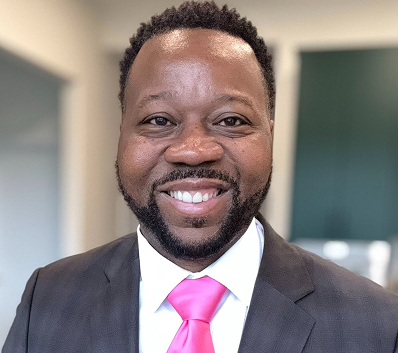
Hi, I’m Orvin Kimbrough, volunteer, board director, chairman, and CEO. I help professionals move from feeling stuck to being strengthened by reshaping how they think, lead, and live. My work focuses on confidence, leadership, and influence through mindset shifts, expanded networks, and bold, values-aligned action. My perspective is rooted in lived experience, from growing up in foster care to leading complex institutions as a CEO and shaped by faith, resilience, and a deep belief in human potential.
Enjoyed this post?
Stay connected and continue the journey with insights on leadership, growth, resilience, and intentional living delivered straight to your inbox.

Subscribe to the Leadership Insights Newsletter and receive:
-
 Thought-provoking reflections and leadership perspectives
 - Practical strategies for personal and professional growth
- Monthly insights and inspiration
- Early announcements and updates from The Thrivers Path™